Thursday, 21 January 2016

Post-colonialism

1) Read the excellent article exploring the different representations of black people in British film and TV from Media Magazine 42 (MM42 fromour Media Magazine archive - page 51)

2) List FIVE films, FIVE TV programmes and FIVE online-only productions that are discussed in the article.

Films:

  1. Anuvahood
  2. Adulthood
  3. Kidulthood
  4. Attack The Block
  5. Sket
  6. Ill Manors

Tv Shows:

  1. Top Boy
  2. Bullet Boy
  3. Luther
  4. 55 Degrees North
  5. Line OF Duty
Online Only:
  1. Brothers WIth No Game
  2. Venus Vs Mars
  3. The Ryan Sisters
  4. Meet The Adebanjos
  5. All About The Mckenzies

3) Watch Destiny Ekaragha's clips above (more of her work is available onher website, including the short film The Park). To what extent can we apply Alvarado's and Fanon's theories to these films? Do they reinforce or subvert typical black stereotypes in British film and TV? Refer to specific scenes and events in the clips in answering this question and aim for at least 350 words.
In Gone Too Far, Destiny have used Alvarado and Fanons theories when creating her characters. Alvarado's black racial representations are shown as the movie is a black comedy therefore they are shown to be "Humorous". Also, the narrative shows how one black character has just been granted his visa, this may mean that he is Pitied, also he wears one costume throughout the entire picture. There are also many cultural aspects to the film , the mother is dressed in traditional outfits, this enforces the Exotic representation. Also, the lead female character costumed contains lots of fair make up and straight hair for a black actress, this can link back to Fanons theory of "Putting On A White Mask". This is due to the fact that the beauty influences portrayed come from white females, this shows how the media are making this a norm in society as the beauty standards are white.
In Tight Jeans, the main characters are also seen to be humorous. Also, Fanons theory of decivilization is in use as the actors are represented to be gangsters & pimps, they are also sitting on top of a wall on a higher level than the other character (white male in tight jeans). This may show that they are intimidating and above everyone else.

Thursday, 14 January 2016

Identities and the Media: Reading the riots

Identities and the Media: Reading the riots

The media coverage of the UK riots in 2011 provides a strong case study in the representation of young people. There is an excellent extended analysis of the media coverage of the riots by media professor David Buckingham in Media Magazine.

Read the Media Magazine extended feature on the media coverage of the UK riots (MM38 page 5)

Go to our Media Magazine archive, select MM38 and read the WHOLE eight-page feature. Answer the following questions on your blog with as many references to media theory and examples as possible. Refer to specific aspects of the Media Magazine article too:

How did the language and selection of images in the coverage create a particular representation of young people?
The coverage show a ruthless and out of control representation of the youth, it indicates how they aren't afraid of breaking the law and seem to have no boundaries. They also seem to be hooded and wearing tracksuits, this indicates how they may be from a lower to middle class background.

Why does David Buckingham mention Owen Jones and his work Chavs: the demonisation of the working class?
In Owen Jones book chavs, he discusses how the media and how modern Britain have given this image and mindset that the lower class are scary thugs and scary.

What is the typical representation of young people – and teenage boys in particular? What did the 2005 IPSOS/MORI survey find?
The survey found that 40% of newspaper articles focused on crime, violence and anti social behaviour when linked to the youth. Also that 71% were described to have a negative manner.

How can Stanley Cohen’s work on Moral Panic be linked to the coverage of the riots?
As there is a moral panic that society believes that young people are violent and aggressive, especially males, the media does they by the gatekeeping they provide with the coverage they choose.


What elements of the media and popular culture were blamed for the riots?
Some elements that were blamed were rap music, violent video games and reality TV for their ‘undisciplined’ nature.

How was social media blamed for the riots? What was interesting about the discussion of social media when compared to the Arab Spring in 2011?
Social media was blamed for helping to organise and spread the riots as most people that use social media are the youth, which were also the main people in the riots. Although the coverage of the Arab springs' social media was presented to be more of a democratic platform in which people were able to express their opinions and fight against oppression.

The riots generated a huge amount of comment and opinion - both in mainstream and social media. How can the two-step flow theory be linked to the coverage of the riots?
The two step-flow theory can be applied as famous people commented on the riots. Russell Brand, who has millions of twitter followers and his opinions shared on twitter could have influenced the views on people.
Alternatively, how might media scholars like Henry Jenkins view the 'tsunami' of blogs, forums and social media comments? Do you agree that this shows the democratisation of the media?
I do think that the  response online in response to the riots highlights the democratisation of the media social media give more of a pluralist view in how we think and consume media, we can now make news viral and also create our own news, it is killing the marxist views that TV broadcast used to bring.

What were the right-wing responses to the causes of the riots?
The right wing responses to the riots werecritical of those that took part in the riots, specifically targeting youths, comparing them to animals and stating that they should be put on 'leashes'.

What were the left-wing responses to the causes of the riots?
The left wing responses were more accepting, instead blaming society's negative image of youths spread through the media as well as faults made by the government, cutting funding to youth centres, causing them to riot.

What are your OWN views on the main causes of the riots?
I believe that the riots become something it shouldn't have been, the real cause was just an excuse for the youth to express their anger gave them a chance to break the law with a lower chance of getting caught, it blew up to be something way out of proportion.

How can capitalism be blamed for the riots? What media theory (from our new/digital media unit) can this be linked to?
As many of the rioters looted shops that were selling materialistic items such as designer sports brands and expensive branded TV's, society has led the lower class wanting these items so bad that they looted during the riots.


Were people involved in the riots given a voice in the media to explain their participation?
There was a lack of interviews with rioters in the media, not many of their voices were being heard, although all the interviews that were showcased, it helped enforce the negative stereotypes shown such has youth wearing bandanas, masks, hoods, tracksuits and talking in a lot of slang and profanity. The only interviews published were like this, although there was also a lot of rioters who were there for a reason, such as the shooting of the young man by police, they didnt loot and were most likely well educated, although their voices were not heard by the media.

In the Guardian website's investigation into the causes of the riots, they did interview rioters themselves. Read this Guardian article from their Reading the Riots academic research project - what causes are outlined by those involved in the disturbances?
What is your own opinion on the riots? Do you have sympathy with those involved or do you believe strong prison sentences are the right approach to prevent such events happening in future?
I have no sympathy for the rioters and i do believe that they should receive prison sentences, this is because they made a choice to disturb and ruin our society and towns with aggressive assault and damage within our towns.
Although there were some rioters that had a passion in what they believed what happened was wrong and they were fighting for justice, but there were also some other rioters who didn't even know what the cause was, they just joined in for fun and thought they could get away with theft and violence, which is wrong.

Sunday, 3 January 2016

NDM institution case study: News Corporation

1) Research News Corporation’s response to the growth of new and digital media by listing each of the institution’s brands (Sky News, Times etc.) Have any closed, changed or been in the news in the last 10 years for any reason?
UK and Ireland newspapers, published by subsidiaries of News International Ltd.News Group Newspapers Ltd.
US newspapers and magazines
2) Develop examples of the impact that new and digital media has had on News Corp’s brands (paywalls, readership figures, audience share etc.)
Some of news corps brands such as there newspaper services have been affected by NDM due to News Corp deciding to introduce a paywall scheme, this scheme meant that readers of The Times will have to pay a fee of subscription to read the famous newspaper, it was introduced well for the times and didn't have a very bad affect on the company, although they also decided to introduce this scheme to The Sun, they did this much later than the Times and it caused a fall in readers for the brand, it dropped 2million readers and has seriously impacted the newspaper. Although other companies like Sky have used new and digital media to its advantage as it they have created companion apps for sky tv subscribers, apps like sky + allows viewers to record and view tv guides from the comfort of they're mobile phones, sky also introduced a sky go app which allows viewers to watch live tv or tv on demand from they're smart devices, this has helped the business as not many people have the time to watch TV.

3) Use what you have found out about News Corp to answer the following question:
Why and with what success are traditional media institutions adapting to the challenge posed by new/digital media?

Traditional media institutions are adapting to the changes in technology, the rise of smartphones and mobile data have caused much more of a ease of access for users as they are now able to consume media a lot quicker, easier and all the time. This does mean that institutions can use this to their advantage like creating applications for users and by creating their own online sites. Although this means that traditional media like newspapers are rapidly beginning to die down, more and more people are reading news from a battery powered screen rather than printed paper. The news industry also made a bad decision by publishing news for free when the internet was becoming viral in the early 2000's, this meant that they wouldn't be making profit from online readers and no one would pay for news as it was available for free.

Monday, 14 December 2015

NDM STORIES INDEX


NDM STORIES INDEX

  1. 17/09/2015: Social Media Is Harming The Mental Health Of Teenagers.
  2. 17/09/2015: Is It Safe To Turn Your Children Into YouTube Stars?
  3. 27/09/2015: It’s time the media treated Muslims fairly
  4. 27/09/2015: BBC apologises after suggesting partially deaf Tory MP had fallen asleep
  5. 1/10/15: Netflix Create The "Netflix & Chill Button"
  6. 1/10/15: UK mobile ad spend 'to overtake print and TV'
  7. 8/10/15: The Great British Bake Off final gets biggest TV audience of the year
  8. 8/10/15: Rupert Murdoch sorry for suggesting Obama isn't a ‘real black president’
  9. 16/10/15: Sun website traffic slips by 14%
  10. 16/10/15: Harrowing film recorded from inside the car reveals the last minutes of drug-drive friends who sped through the countryside at 90mph before crashing into a church and dying
  11. 06/11/15: Ofcom is not currently equipped to regulate BBC, says trust director
  12. 06/11/15: Call of Duty: Black Ops 3 campaign verdict – is Call of Duty devouring itself?
  13. 06/11/15 Facebook ads are about to get even more personal
  14. 06/11/15 Playing video games doesn’t make you a better person. But that’s not the point
  15. 06/11/15 Newspapers go on the hunt for a safe place to pay
  16. 06/11/15 Can dropping the paywall and upping the story count boost Sun’s website?
  17. 13/11/15 Sun website traffic recovers as Mirror slips back
  18. 13/11/15 Why the Daily Mirror pulled its exclusive story on The Voice
  19. 03/12/15 Is mobile making media all the same?
  20. 07/12/15 Daily News: The News Says He's A Terrorist, But So Are These Guys...
  21. 07/12/15 BBC3 TV channel to be switched off by February, BBC Trust confirms
  22. 11/12/15 Just how big is Apple?
  23. 11/12/15 Can broadcast TV match streaming’s big budget shows?
  24. 14/12/15 Thinking machines: the skilled jobs that could be taken over by robots
  25. 14/12/15 Why the Paris attacks got larger UK coverage than other tragedies
  26. 14/12/15 YouTube tipped to strike licensing deals for TV shows and films
  27. 14/12/15 Rise in UK web users blocking ads, research finds
  28. 14/12/15 BBC to confirm it will extend 10pm news by 10 minutes
  29. 14/12/15 What are Facebook and other social media doing about Donald Trump?
  30. 14/12/15 Facebook rolls out live streaming video service

Thinking machines: the skilled jobs that could be taken over by robots

Fear of mass unemployment has been proved wrong as automation makes the economy stronger

Machines cannot disrupt the world of art and music, where creativity flows direct from the soul, right? But if that is the case, then how did Tupac perform at the Coachella festival in 2012 – 16 years after his murder in Las Vegas? By way of a hologram, of course.
The rapper’s hologram was one of the most prominent examples of technology undercutting artists and performers, but it was by no means the first. Generative art, for instance, pushes the work of creation back a step. No longer are artists creating a specific music or painting: instead, they make a bot that can endlessly create, outproducing any human artist.
The notion of pilotless commercial airplanes would be horrific for most passengers and that is the main reason why we will not be seeing passenger-only excursions to Magaluf any time soon. But it is feasible. Any modern Airbus or Boeing aircraft can already be landed in thick fog without a pilot, while the advent of military drones underscores how pilotless flight has entered the geo-political mainstream. Will it enter the realm of commercial travel? Passengers, and of course regulators, are the main barrier.

Why the Paris attacks got larger UK coverage than other tragedies

Sundays

They have pointed to the fact that last Thursday, 44 people died in suicide bombings in Beirut. In August, 67 people were killed by a truck bomb in Sadr City in north-eastern Iraq. In April, 147 people, most of them students, were shot dead at Garissa University in north-eastern Kenya.
All of these horrific incidents were reported by the British media. But they didn’t get much more than a newspaper headline and a couple of minutes on TV and radio bulletins.
Although the downing of the Russian plane in Sinai, in which 224 people perished, got a reasonable show in papers and on TV, neither it nor the other tragedies received the wall-to-wall coverage granted to the Paris attacks.

YouTube tipped to strike licensing deals for TV shows and films

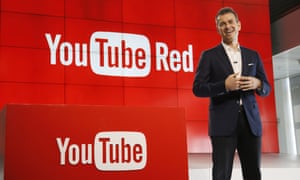
YouTube’s Robert Kyncl at the launch of the YouTube Red service


YouTube is preparing to strike deals with Hollywood studios and television firms to bring films and TV shows to its YouTube Red subscription service.
The online video service is keen for its $9.99-a-month service to compete more directly with rivals such as Netflix, Amazon and Hulu, according to the Wall Street Journal.Its report suggests that YouTube is in the “early stages” of these talks, but that it hopes to commission original shows and films rather than simply license existing content.